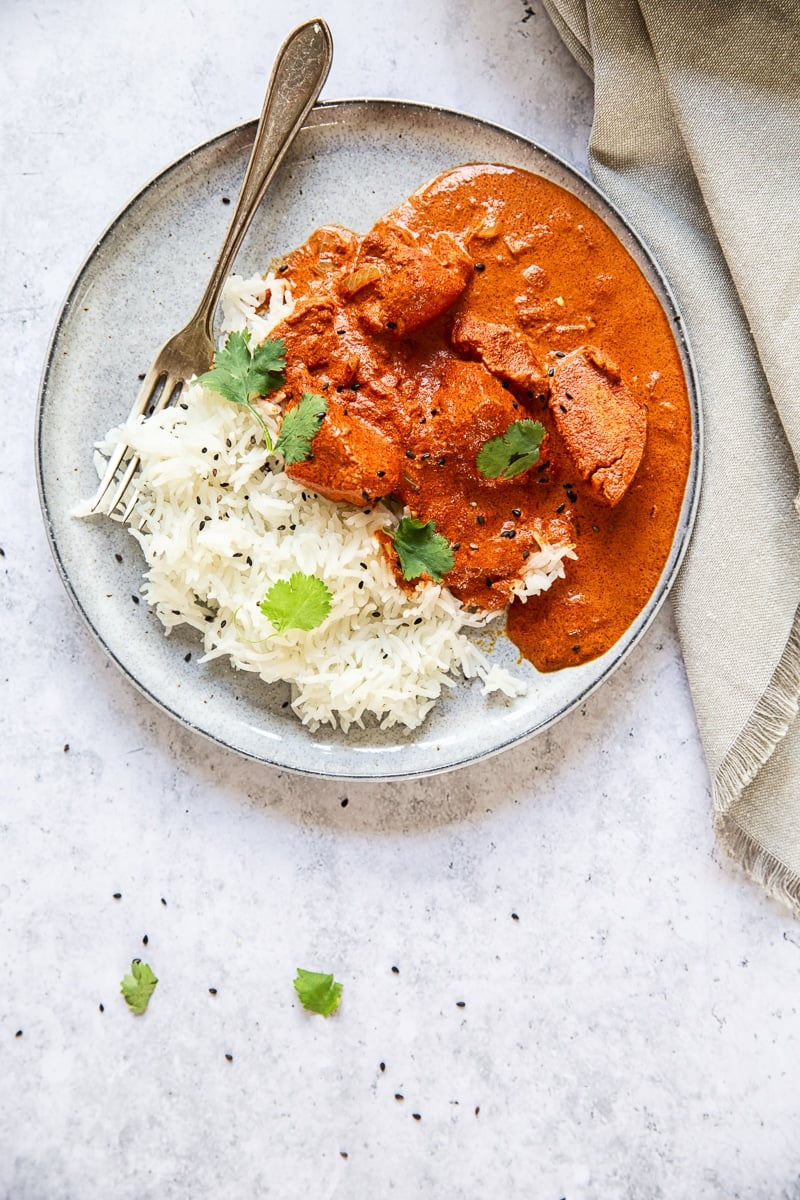
Recreate Authentic Butter Chicken: Tandoor-Free Home Cooking
There are few dishes that evoke such widespread delight and comfort as butter chicken. From the bustling streets of Delhi to the chic eateries of London, New York, and beyond, this velvety, aromatic curry has captivated palates across continents. But what if we told you that achieving that restaurant-quality, authentic butter chicken experience is entirely possible in your own kitchen, without the need for a traditional tandoor oven?
Often known by its Hindi name, Murgh Makhani (meaning "chicken with butter"), this iconic Indian dish is celebrated for its rich, creamy tomato gravy and succulent, tender chicken. While purists might insist on a clay oven for its characteristic smoky char, this article will guide you through expert techniques to recreate that beloved depth of flavor and texture, right at home. Prepare to impress your family and friends with a dish that is both wildly luxurious and surprisingly accessible.
The Heart of Butter Chicken: A Symphony of Flavors
At its core, authentic butter chicken is a masterpiece of balance. The dish features tender, marinated chicken pieces enveloped in a luscious, reddish-orange bath. This signature gravy is a harmonious blend of sweet, tangy, and subtly spicy notes, achieving its famous silkiness through carefully cooked tomatoes, aromatic spices, and, of course, a generous hand with butter and cream. Unlike many spicier Indian curries, butter chicken is traditionally mild, allowing its intricate flavors to truly shine.
The foundation of the gravy typically includes butter, onions (though historically absent, many home recipes now include them for added depth), ginger, and garlic, all cooked down with ripe tomatoes until they form a rich paste. This paste is then scented with key spices like garam masala, cumin, turmeric, and often a hint of cinnamon, which provides a unique warmth and tang. This careful layering of ingredients is what transforms simple components into an extraordinary culinary experience. The global appeal of this dish is undeniable; to understand its journey and luxurious draw, explore Cross-Continental Comfort: The Luxurious Appeal of Butter Chicken.
Mastering the Marinade: The Secret to Tender, Flavorful Chicken
The journey to perfect butter chicken begins with the marinade. This crucial step not only infuses the chicken with incredible flavor but also tenderizes it, ensuring each bite is melt-in-your-mouth succulent. The traditional marinade uses:
- Thick Hung Curd (Strained Yogurt): This is paramount. The lactic acid in the yogurt naturally breaks down the chicken fibers, making it exceptionally tender. Straining the yogurt removes excess water, allowing the marinade to cling better to the chicken and preventing it from becoming watery during cooking.
- Aromatic Spices and Herbs: A blend often including ginger-garlic paste, red chili powder (like Kashmiri chili for color without excessive heat), turmeric, cumin powder, and a touch of salt. These spices penetrate the meat, building a deep flavor base even before the chicken hits the heat.
Pro Tip: For best results, marinate your chicken (traditionally bone-in, but boneless thighs or breasts work too) overnight in the refrigerator. A minimum of 4-6 hours is acceptable, but extended marination truly maximizes flavor and tenderness. When using bone-in chicken, make a few shallow slits in the meat to allow the marinade to penetrate deeper.
Achieving Tandoor-Like Perfection Without a Clay Oven
The defining smoky char of Tandoori chicken, the base for authentic butter chicken, comes from the high heat of a clay oven. Fear not, home cooks! There are several effective ways to replicate this crucial step and infuse your chicken with that desirable depth of flavor:
Pan-Roasting (Stovetop Method):
This is arguably the easiest and most common method for home cooking. Heat a heavy-bottomed pan, preferably cast iron, over medium-high heat with a little oil or butter. Once hot, add the marinated chicken pieces in a single layer, without overcrowding the pan. Cook until deeply browned and slightly charred on all sides, then reduce heat and cook until cooked through. The high heat creates a beautiful crust and locks in juices, mimicking the intense heat of a tandoor.
Oven-Baking or Broiling:
Preheat your oven to a high temperature (around 400-425°F or 200-220°C). Arrange the marinated chicken on a baking sheet lined with foil or parchment paper. Bake until cooked through and nicely browned. For an extra char, finish under the broiler for a few minutes, keeping a close eye to prevent burning. This method provides even cooking and can create a lovely exterior crispness.
Grilling (Outdoor BBQ):
If you have access to a charcoal or gas grill, this is an excellent way to impart a genuine smoky flavor. Grill the chicken over medium-high heat, turning occasionally, until cooked through and beautifully charred. The open flame naturally replicates some of the tandoor's effects.
Whichever method you choose, the goal is to get a good char and fully cook the chicken, which will then be diced and added to the gravy. The slight smokiness and caramelized bits from this cooking process are essential for the final taste profile of an authentic butter chicken.
Crafting the Silky, Buttery Gravy: The Makhani Magic
Once your chicken is prepared, it's time to create the iconic gravy that gives butter chicken its legendary status. This process involves a few key steps to ensure maximum flavor and that desired silky texture:
- Building the Base: Start by melting a generous amount of butter in a large pot or Dutch oven. Sauté finely chopped onions (if using), ginger, and garlic until fragrant and softened.
- Tomato Power: Add pureed or finely crushed tomatoes. Cook this mixture down thoroughly, allowing the tomatoes to lose their raw taste and deepen in color. This step is crucial for the gravy's final flavor and hue.
- Blooming the Spices: Stir in your powdered spices – garam masala, cumin, turmeric, and Kashmiri red chili powder (for vibrant color and mild heat). Toasting these spices briefly in the butter-tomato base releases their essential oils, intensifying their aroma and flavor. A pinch of cinnamon or a whole stick can be added here for that signature tang.
- Adding Richness: Incorporate cashew paste or blanched almond paste. This is a common technique to add body, richness, and a subtle sweetness to the gravy, contributing to its creamy texture. Some recipes also include a touch of sugar to balance the acidity of the tomatoes.
- The Blend: For that truly velvety consistency, once the mixture has cooled slightly, transfer it to a blender and blend until absolutely smooth. Strain the gravy through a fine-mesh sieve back into the pot for an even silkier finish. This step makes a significant difference to the texture.
- The Final Touches: Bring the gravy back to a simmer. Stir in your cooked and diced chicken pieces. Finish with a swirl of fresh cream and more butter (the "Makhani" touch!), allowing it to melt into the sauce. Garnish with fresh cilantro.
Remember: The authentic taste of butter chicken relies on the quality and balance of its ingredients. Don't rush the cooking down of the tomatoes or the blending process.
Butter Chicken vs. Chicken Tikka Masala: A Common Confusion
It's easy to confuse butter chicken with its close cousin, Chicken Tikka Masala, as both feature chicken in a creamy, reddish-orange sauce. However, there are distinct differences that set them apart:
- Spice Level: Butter chicken is traditionally mild and subtly spiced, focusing on a rich, sweet, and tangy profile. Chicken Tikka Masala tends to be spicier and more robust.
- Sauce Base: While both use tomatoes, butter chicken gravy is characterized by its smooth, silky texture and a heavier reliance on butter and cream. Tikka Masala often has a coarser texture due to chopped and caramelized onions, and is typically cooked in oil.
- Original Chicken Preparation: Authentic butter chicken uses tandoori-grilled chicken (marinated in yogurt and spices), while Tikka Masala usually features chicken tikka (cubes of chicken marinated in spices and yogurt, then roasted or grilled).
Understanding these nuances helps appreciate the unique character of each dish. For a deeper dive into their distinctions, read Butter Chicken vs. Tikka Masala: Discover Key Flavor Differences.
Serving Your Homemade Masterpiece
The perfect accompaniment to your homemade butter chicken is simple yet essential. Serve it with fluffy basmati rice to soak up every last drop of that incredible gravy. Warm naan bread or crisp papadums are ideal for scooping, while a side of cooling mango chutney provides a delightful contrast. Garnish with a sprinkle of fresh cilantro for a final flourish.
Recreating authentic butter chicken at home is a rewarding culinary adventure. By understanding the key components – the tenderizing marinade, the tandoor-free cooking methods for the chicken, and the art of crafting that velvety gravy – you can bring the luxurious flavors of this beloved dish right to your dining table. So gather your ingredients, follow these steps, and prepare to indulge in a truly exceptional home-cooked meal that tastes even better than your favorite Indian restaurant version.
