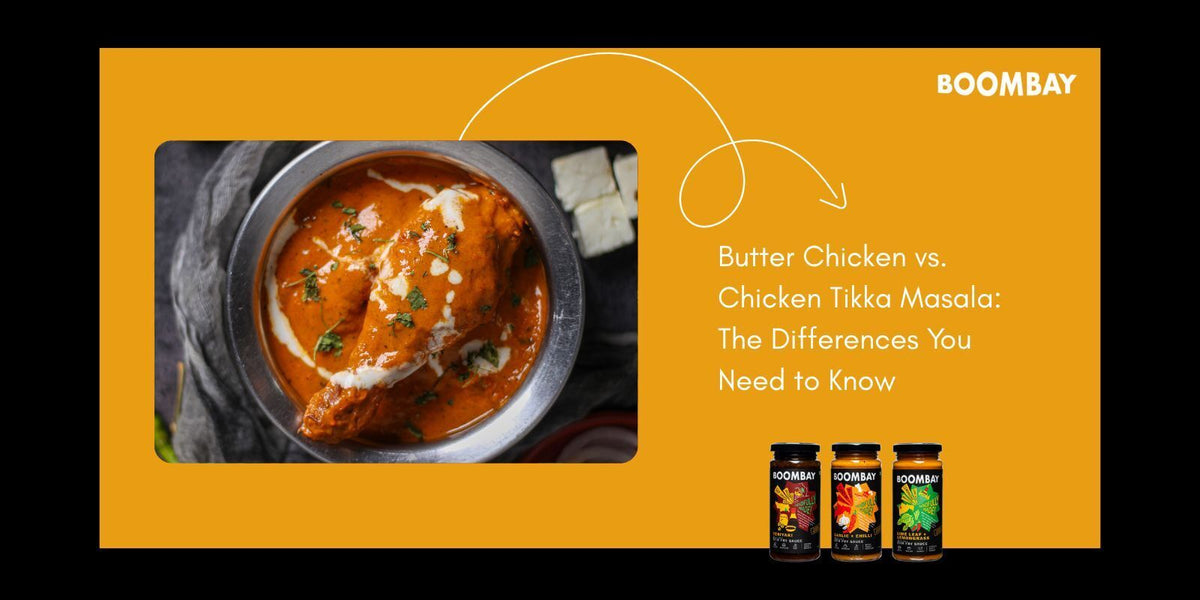
Butter Chicken vs. Tikka Masala: Discover Key Flavor Differences
In the vibrant world of Indian cuisine, two dishes often stand out as global favorites: Butter Chicken and Chicken Tikka Masala. While both boast succulent pieces of chicken enveloped in rich, aromatic gravies, they offer distinctly different culinary experiences. For the uninitiated, they might appear similar, but a deeper dive reveals a fascinating interplay of ingredients, cooking techniques, and flavor profiles. If you've ever found yourself pondering the nuances between these two beloved curries, you're in for a treat as we unravel the key distinctions that set them apart, with a special focus on the luxurious appeal of butter chicken.
The Velvety Embrace of Butter Chicken (Murgh Makhani)
Butter chicken, known authentically as Murgh Makhani, is a culinary marvel that has transcended borders, gracing tables from Delhi to London, New York to Melbourne. It's a dish celebrated for its unparalleled creaminess, mild spice, and profound depth of flavor.
A Legacy Born in Delhi
The origins of butter chicken are rooted in post-partition Delhi, where it was conceived out of ingenuity at Moti Mahal restaurant. The goal was to use leftover tandoori chicken by simmering it in a rich, tomato-based sauce, creating a dish that quickly captured hearts. Its cross-continental appeal isn't just a testament to its deliciousness, but also its adaptability. As Sam Sifton notes, it's an "ever-evolving, cross-continental dish," adapting to local tastes while retaining its core identity. Explore its widespread popularity further in Cross-Continental Comfort: The Luxurious Appeal of Butter Chicken.
The Iconic Marinade: A Tenderizing Secret
The foundation of exceptional butter chicken lies in its preparation, beginning with the chicken itself. Traditionally, bone-in chicken is marinated overnight in a thick, strained yogurt (hung curd) combined with a medley of aromatic spices and herbs. This spiced yogurt marinade is a game-changer: it not only infuses the meat with incredible flavor but also naturally tenderizes it, ensuring the chicken remains succulent even after cooking. The marinated chicken is then grilled, ideally in a tandoor (clay oven), which imparts a characteristic smoky aroma and a slightly charred exterior. For home cooks without a tandoor, roasting in an oven, pan-frying, or grilling on an open fire are excellent alternatives to achieve that tender, flavorful base.
Crafting the Silken Sauce
The sauce is where butter chicken truly shines. It's a "velvety red bath" that is incredibly smooth, rich, and utterly luxurious. The core ingredients typically include generous amounts of butter (hence the name!), pureed tomatoes, ginger, and garlic, often brightened by a hint of onions in modern adaptations, though traditionally they were often omitted for a purer tomato base. The key spices are usually garam masala, cumin, and turmeric, with a distinctive cinnamon tang that adds a layer of sophisticated warmth. A splash of cream or cashew paste at the end contributes to its signature silkiness and creamy mouthfeel, making it mildly spicy and profoundly aromatic. It's this smooth, rich, and buttery sauce that sets it apart.
Unpacking Chicken Tikka Masala: A Spicier Counterpart
Chicken Tikka Masala, while sharing some common ground with butter chicken, embarks on a different culinary journey, distinguished by its spicier profile and textural nuances.
A Different Culinary Journey
Often considered a British national dish, Chicken Tikka Masala's exact origin is debated, but it's widely believed to have been developed in the UK, adapting traditional Indian flavors for Western palates. This gives it a slightly different heritage compared to the more ancient roots of Murgh Makhani, though both are celebrated globally.
The Bold Flavor Profile and Sauce Texture
Unlike the inherently mild nature of traditional butter chicken, Chicken Tikka Masala is known for its more pronounced spice and heat. Its gravy is typically robust, often incorporating a wider array of spices to achieve a bolder, more assertive flavor. A significant textural difference also lies in the sauce. While butter chicken sauce aims for supreme silkiness, Tikka Masala often features a texture from chopped and caramelized onions, which are a prominent ingredient in its base. Cooked in oil rather than primarily butter, these onions contribute to a slightly less creamy, more textured sauce with a savory depth that complements its spicier character.
The Head-to-Head: Butter Chicken vs. Tikka Masala Flavor Differences
While both dishes are undoubtedly delicious and feature grilled chicken in a tomato-based sauce, their differences in taste, aroma, and texture are quite distinct. Understanding these can help you appreciate each dish more fully.
- Sauce Base & Texture: The most immediate difference lies here. Butter chicken is characterized by its exceedingly smooth, creamy, and buttery sauce, made rich with butter and often finished with cream or cashews. The focus is on a silky, melt-in-your-mouth experience. Tikka Masala, conversely, often uses oil as its primary fat and relies heavily on caramelized onions for its base, resulting in a sauce that can have more texture and a less overtly creamy feel.
- Spice Level & Aroma: Traditionally, butter chicken is a mild dish, its spice coming from aromatic whole spices like cinnamon and garam masala, which contribute warmth rather than heat. Its aroma is delicate, buttery, and subtly sweet. Tikka Masala tends to be spicier and hotter, employing a greater quantity and variety of chilies and spices to achieve a more intense, piquant flavor.
- Fat Content: As the name suggests, butter is central to butter chicken, contributing significantly to its richness and flavor. Tikka Masala typically uses oil, which, while still providing a rich mouthfeel, differs from the specific buttery notes of Murgh Makhani.
- Key Flavor Notes: Butter chicken offers a harmonious balance of sweet, tangy (from tomatoes and sometimes a hint of cinnamon), and umami flavors, with a luxurious creaminess. Tikka Masala often leans into a more complex, savory, and spicy profile, with the caramelization of onions adding a deeper, almost smoky sweetness that balances the heat.
- Chicken Preparation: Both dishes generally use tandoori-style chicken, marinated in yogurt and spices. However, the tenderness and moistness of the chicken in butter chicken are particularly emphasized by the long marinade and gentle simmering in the rich sauce.
In essence, if you crave a velvety, mildly spiced, and profoundly rich curry that melts in your mouth, butter chicken is your dish. If you prefer a bolder, spicier, and more textured experience with a kick, Chicken Tikka Masala will likely be your go-to.
Recreating the Magic at Home: Tips for Both Dishes
While restaurant versions are fantastic, recreating these dishes at home allows for customization and a deeper appreciation of their components. For those looking to master butter chicken, remember that the quality of your marinade ingredients (especially thick yogurt) and the slow simmering of your sauce are crucial. Don't rush the process of blending your sauce to achieve that signature silkiness. For tips on how to achieve that authentic taste without a tandoor, check out Recreate Authentic Butter Chicken: Tandoor-Free Home Cooking.
For Chicken Tikka Masala, focus on properly caramelizing your onions to build a deep, sweet foundation for the sauce, and don't shy away from experimenting with your preferred level of spice. Both dishes are best served with fluffy Basmati rice or warm, pillowy naan bread, perfect for scooping up every last drop of the exquisite gravy.
Conclusion
Butter Chicken and Chicken Tikka Masala, though often grouped, are culinary cousins rather than identical twins. Butter chicken seduces with its unparalleled creaminess, mild spice, and luxurious, buttery notes, a truly cross-continental comfort food. Chicken Tikka Masala offers a spicier, more textured adventure with a robust flavor profile often enriched by caramelized onions. Both are magnificent in their own right, reflecting the incredible diversity and adaptability of Indian-inspired cuisine. Understanding their unique characteristics allows you to appreciate each dish for what it is—a masterpiece of flavor and culinary tradition. So, next time you're choosing, you'll know exactly which delightful experience awaits you.
